
Every workplace contains potential hazards that must be managed effectively. A structured workplace risk assessment helps organisations identify risks and implement practical safety controls. System Drivers supports businesses in improving health and safety risk management across their operations.

A workplace risk assessment evaluates potential hazards that could harm employees, contractors, or visitors.
The process identifies risks, assesses their severity, and determines appropriate safety controls to reduce the likelihood of incidents.
This process is essential for effective health and safety management.
Conducting structured risk assessments helps organisations:
Effective risk management requires continuous monitoring and improvement.
Organisations should regularly review hazards, update safety procedures, and ensure employees understand safe work practices.
Professional consulting support can help organisations maintain strong safety systems that adapt to operational changes.
A structured workplace risk assessment allows organisations to identify hazards before incidents occur. Without systematic evaluation of workplace risks, organisations may overlook potential dangers that could harm employees or disrupt operations.
Regular assessments help organisations strengthen health and safety risk management and improve the way hazards are monitored across daily activities.
Risk assessments also help businesses prioritise safety improvements and allocate resources to the most critical areas.

Effective health and safety risk management generally involves several steps.
The first step involves identifying hazards that may affect employees or contractors. These hazards can include physical, environmental, or operational risks.
The next step evaluates the severity and likelihood of each risk. Organisations then determine the most appropriate safety controls to reduce the risk.
Finally, organisations monitor the effectiveness of these controls and review them regularly to ensure workplace safety continues to improve.
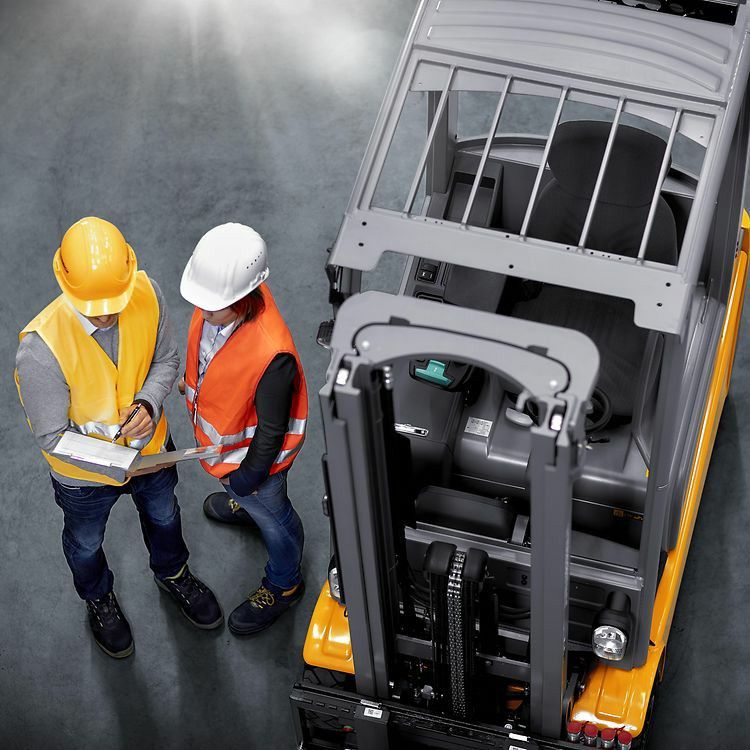
It identifies hazards and evaluates the likelihood of harm occurring within a work environment.
They help organisations prevent incidents by identifying risks before they lead to injuries or operational disruptions.
Managers, supervisors, and safety consultants often work together to identify hazards and develop risk management strategies.
Risk assessments should be reviewed regularly, especially when new equipment, processes, or projects are introduced.
Professional support with workplace risk helps organisations identify hazards early and implement effective risk management strategies that protect workers and operations.